Home Energy Security Systems for Colorado Homeowners

GridProof Colorado helps homeowners control how their home generates, stores, manages, and backs up power — solar, battery storage, whole-home backup, smart load management, and generator integration designed as one system.

Free, no-obligation consultation. We start with what you want your home to do — not with an equipment package.

5
System levels, from solar to generator-integrated
24/7
Backup designed around your home's real loads
100%
Designed and integrated by licensed electricians
Aerial view of a modern mountain home with a metal roof surrounded by evergreen forest
Start with the goal, not the equipment

Most homeowners know what they want their home to do. The equipment comes second.

You probably don't know which battery, inverter, generator, or smart panel you need — and you shouldn't have to. Tell us the outcome you're after and we'll design a system around it.

Generate more of my own power

Solar lets your home produce electricity during the day and reduce what you buy from the grid — a foundation you can expand with storage later.

Keep important parts running

Battery backup designed around what you depend on: refrigeration, internet, lighting, heating and cooling, a well pump, medical equipment, or a home office.

Have more control in an outage

Smart panels and load management give you a clearer picture of how your home uses electricity — and more say over which loads get backup power.

Back up more of my home

Want more than a handful of essential circuits protected? Larger battery systems can be built around a broader portion of your home's demand.

Prepare for longer outages

When storage alone can't cover the backup time you want, a generator can be integrated as another source of power and another layer of protection.

Use stored energy strategically

Store power when solar is producing or rates are low, then use it during higher-cost utility periods when your plan and equipment support it.

Help Me Find the Right System

We'll narrow it down on one call — no equipment quiz required.

Ways to GridProof your home

Five system levels. Each one a step further from the grid.

You don't have to decide between them today. Most homes start at one level and grow — and every GridProof system is designed with what comes next in mind.

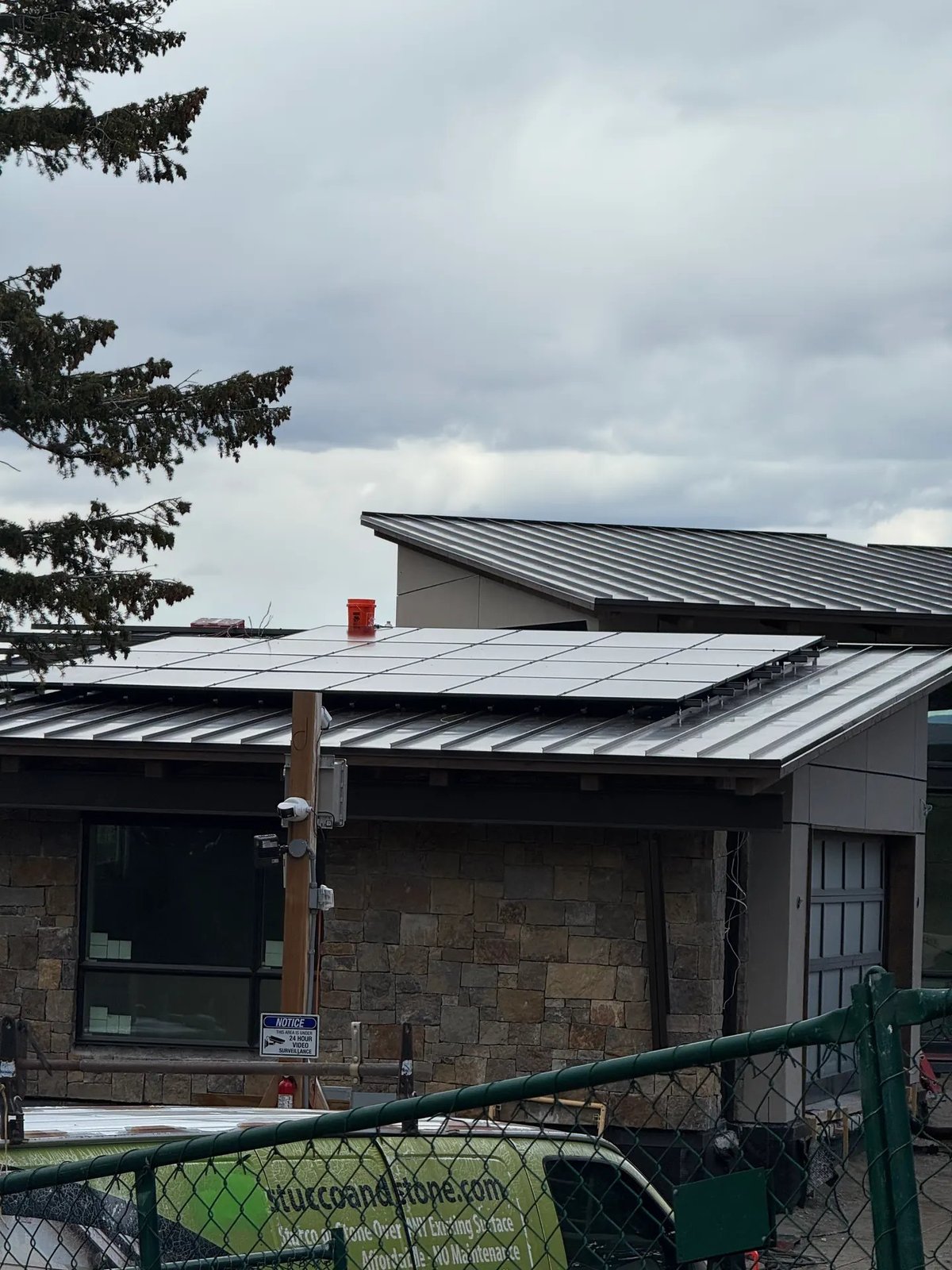
Modern building with solar panels on the roof, metal roofing, brick facade, and a green fence in the foreground under a cloudy sky
Most common starting point

Solar Power Systems

Produce your own electricity and reduce long-term dependence on the utility grid.

Solar is often the first step in a broader home energy plan — designed with future battery storage, EV charging, or added electrical demand in mind rather than treated as a separate project. One distinction matters: solar power and backup power are not the same thing. Many grid-connected solar systems shut down when utility power is interrupted unless they include the battery storage, compatible equipment, and electrical configuration required for backup operation.
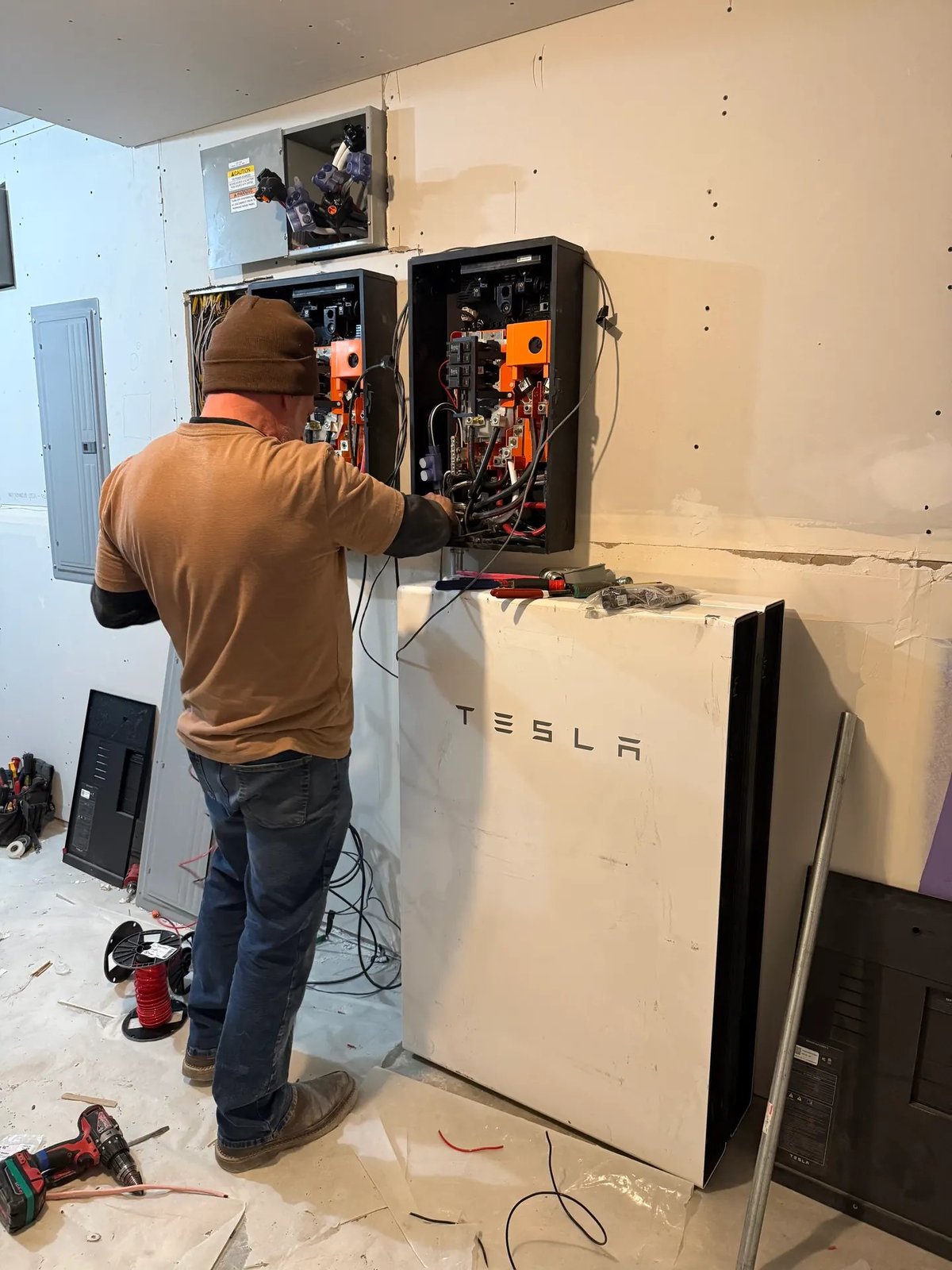
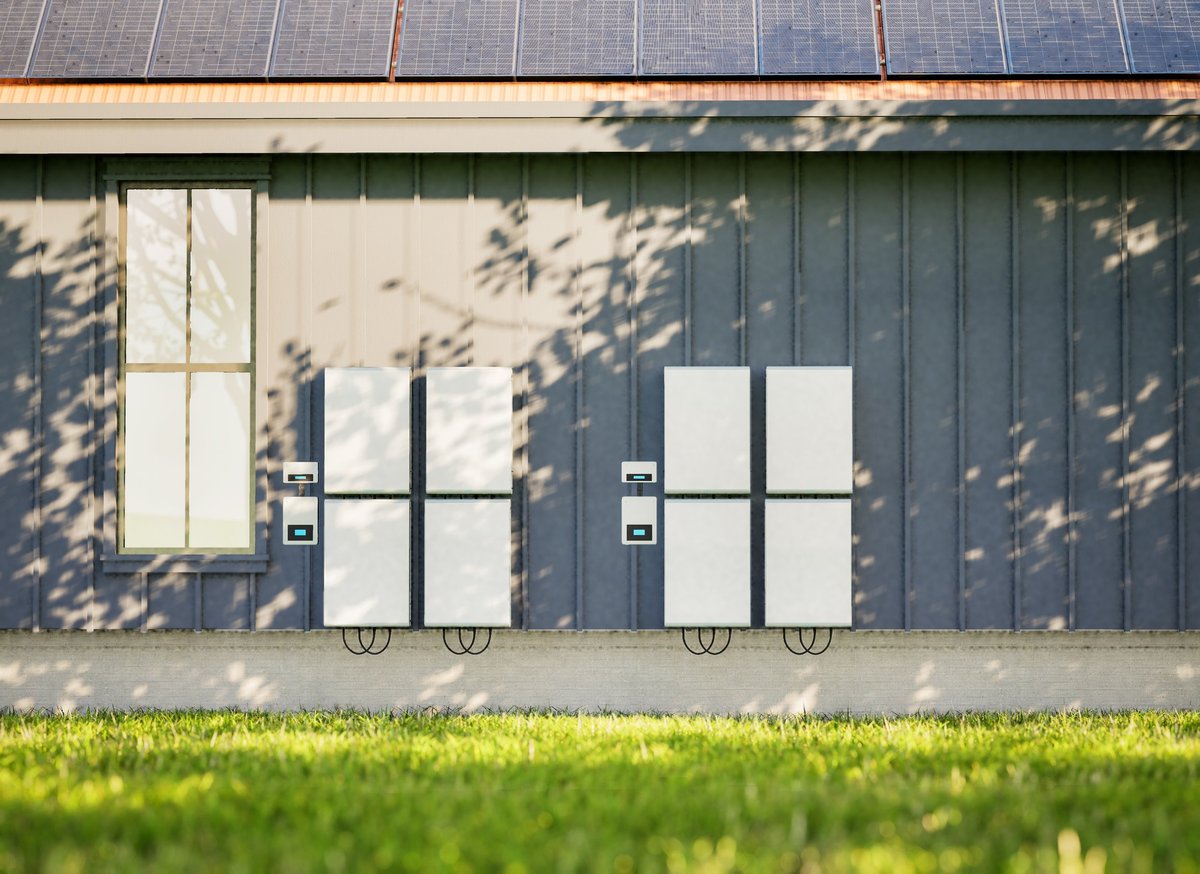
Technician in a brown jacket working on a Tesla Powerwall electrical panel installation on a white wall
Selected circuits protected

Solar + Essential Battery Backup

Keep the parts of your home you depend on running when utility power isn't.

An essential-load system pairs solar with battery storage and directs backup power toward selected circuits — the refrigerator, internet, lighting, heating or cooling, a well pump, home office equipment, or medical devices. It's a practical way to add backup without sizing a system around the entire house, and it leaves room for additional storage or smarter load management later.

Residential battery energy storage system with smart controls
Visible, controllable loads

Solar + Battery + Smart Load Management

Battery storage gives your home energy to work with. Smart load management gives you control over how it's used.

A smart electrical panel or load-management system shows you what's actually happening throughout the home — individual loads, backup capacity, and where available power is going. During an outage that means flexibility in how power is prioritized instead of a fixed group of circuits. In normal operation it can mean app-based monitoring, alerts, load controls, and more intentional battery use during higher-cost periods. We work with SPAN, Lumin, Eaton AbleEdge, and Savant.

Family enjoying their lawn in front of a home with solar panels
Broad household coverage

Whole-Home Solar + Battery Backup

For homeowners who want an outage to interrupt as little of normal life as possible.

Whole-home backup is designed around a much broader portion of your electrical demand. The question changes from which few circuits to protect to how much of the house can realistically stay powered, and for how long. That answer is different for every property — a modest home may need a very different system than a larger one with electric heating, EV charging, or pumps. We size it around how your home actually uses electricity, not a single equipment bundle.

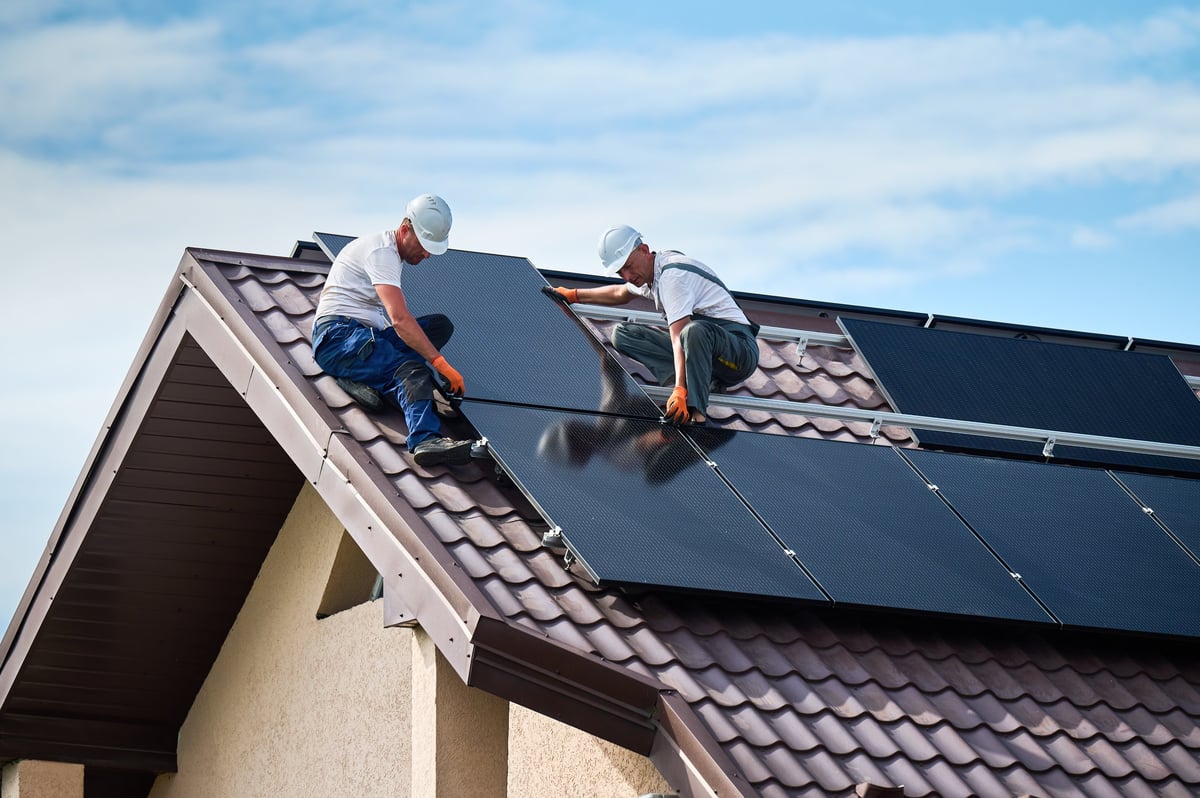
Installers working on a rooftop solar array
Built for extended outages

Solar + Battery + Generator Integration

Batteries and generators are usually presented as competitors. They solve different parts of the same problem.

A battery responds quickly and quietly the moment the grid goes down. A generator brings something storage alone can't: another source of energy when an outage runs longer than the battery was designed to cover. Combined properly, the battery handles the initial transition while generator support comes online as needed — which also gives you more choice about how much battery capacity to install. Fuel, maintenance, and noise are real tradeoffs we'll talk through.

Products we install and trust

No single equipment combination fits every home.

Compatibility, existing infrastructure, homeowner goals, and the type of backup protection being designed all influence which components get used. The goal isn't to force every homeowner into one equipment ecosystem — it's to choose technology that makes sense for the home and the larger system being designed.

Want the quick version?

Download the GridProof Colorado Home Energy Security Line Card for a simple overview of our system options, electrical capabilities, and the products we install.

Download the GridProof Line Card
What it costs

Home energy security pricing, before you pick up the phone.

Every home is different, so these are starting ranges rather than fixed quotes. Your free consultation turns a range into a real number — with no obligation to move forward.

Solar Power System

$19,250 – $24,500

typical installed range

$2.75/W to $3.50/W depending on installation complexity. For a 7kW system.

  • Panel array + inverters
  • Racking and mounting
  • Permits and inspection
  • Designed for future battery
Most chosen

Solar + Battery, Partial Home

$40,000 – $53,000

typical installed range

7kW of solar with 10 to 15kWh of storage

  • Solar array
  • Battery storage
  • Backup sub-panel
  • Selected critical circuits

Solar + Battery, Partial Home + Smart Panel

$47,000 – $60,000

typical installed range

7kW of solar with 10 to 15kWh of storage and SPAN

  • Solar array + battery storage
  • SPAN smart panel
  • Circuit-level control
  • App monitoring + alerts

Battery Only, Partial Home

$24,000 – $38,000

typical installed range

30kWh of battery storage

  • 30kWh battery storage
  • Backup sub-panel
  • Selected critical circuits
  • No solar required

Battery Only + Smart Panel

$31,000 – $46,000

typical installed range

30kWh of battery storage with a SPAN or Lumin smart panel

  • 30kWh battery storage
  • SPAN or Lumin smart panel
  • Circuit-level control
  • App monitoring + alerts

Solar + Battery, Whole Home

$57,000 – $77,000

typical installed range

10kW of solar and 40 to 50kWh of battery storage

  • Larger battery capacity
  • Whole-home transfer
  • Load calculations
  • Electrical upgrades as needed

Solar + Battery, Whole Home + Generator Integration

10kW of solar and 40 to 50kWh of battery storage with a 16kW generator

Battery + generator coordination

Transfer + controls

Fuel and placement planning

Extended outage coverage

Typical installed range

$79,000 – $100,000

The longest-outage option — batteries carry the first hours quietly, with generator support for multi-day grid interruptions.

Plan My System

Ranges reflect typical Colorado residential installations and vary with home size, existing electrical service, equipment selection, and the amount of backup you want. Final pricing is always confirmed after a site evaluation.

The equipment is only part of the system

Panels and batteries get the attention. The electrical system makes them work.

Much of what determines whether those products work well together happens elsewhere: panels, circuits, service capacity, transfer equipment, backup panels, load calculations, generator connections, monitoring, and controls.

A home energy security system can't be treated as something separate from the electrical infrastructure already inside your house.

Learn More About GridProof Colorado

Premier partner of Firefly Electrical Services

Real residential electrical experience in the planning and integration of every GridProof system.

Built on Electrical Experience. Designed for Energy Independence.

Firefly Electrical Services logo featuring a stylized firefly illustration with yellow text on dark background

Electrical Panel Upgrades

Some homes need updated or additional capacity before modern solar, battery, generator, or whole-home backup equipment can be properly supported.

Transfer + Backup Equipment

When utility power is interrupted, the home needs a safe way to transition to available backup sources — and back again when grid service returns.

Load Management

Backup capacity isn't unlimited. Load management prioritizes where available energy goes and keeps the system from being asked for more than it was designed for.

Smart Electrical Controls

Monitoring and control systems give you more visibility into how electricity is being used and more flexibility over how stored power is distributed.

Generator Integration

New or existing generator equipment may need to be coordinated with batteries, transfer equipment, controls, and the rest of your electrical system.

Complete Electrical Integration

The goal isn't to install several pieces of equipment and hope they work together. It's to design generation, storage, loads, and controls as one system.

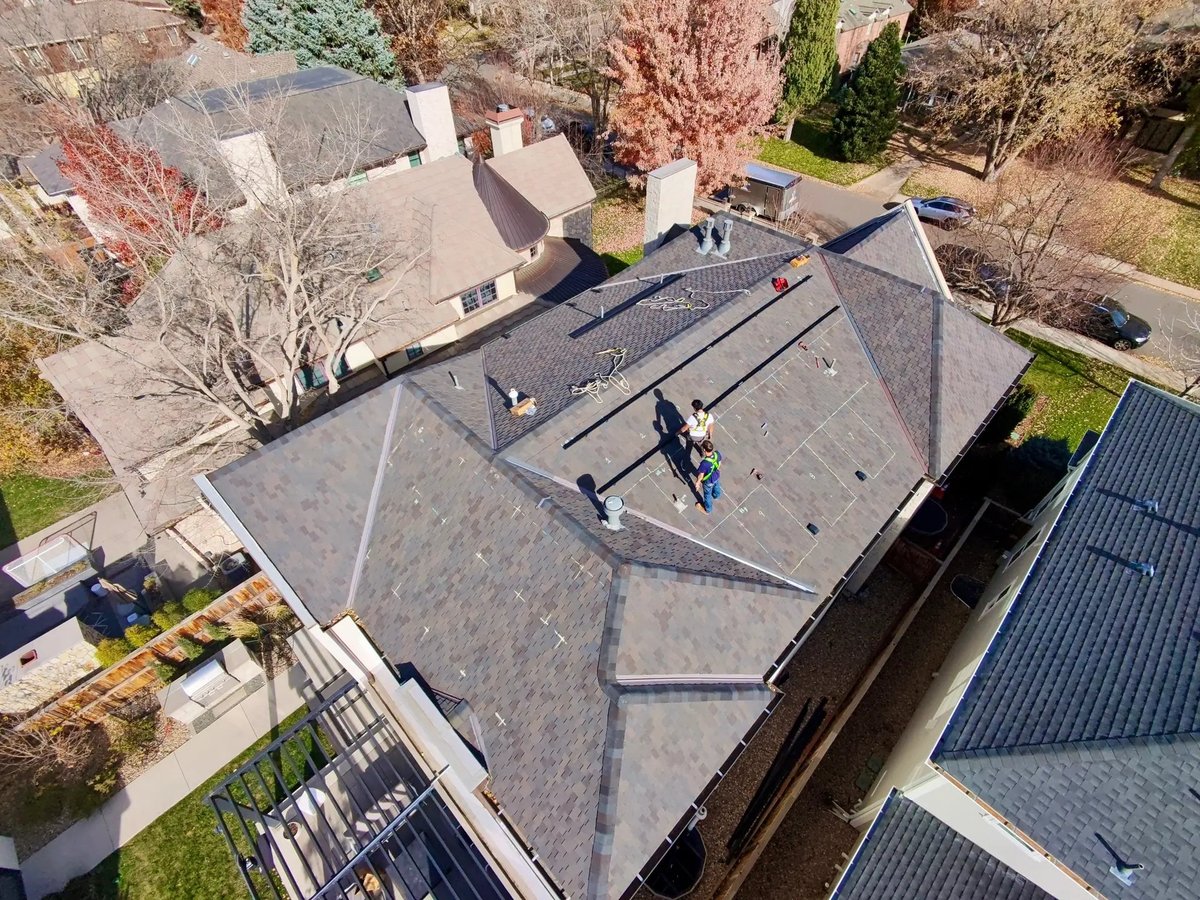
Aerial view of a residential roofing project with workers installing gray shingles on a house roof
Home energy security questions

The questions homeowners ask us first.

Still not sure which route fits your home? That's exactly what the free consultation is for — bring the questions, we'll bring the answers.

Ask Us Anything
Do I need solar to install battery backup?

Not necessarily. Battery storage can work in several system configurations, and the right approach depends on the home, available equipment, utility setup, electrical infrastructure, and what you want the battery to accomplish.

Will solar panels keep my home powered during an outage?

Not automatically. Many grid-connected solar systems require battery storage, compatible equipment, transfer controls, and the proper electrical configuration before they can provide backup power when the grid goes down.

Can I back up only part of my home?

Yes. Essential-load backup focuses available power on selected circuits and equipment rather than the entire electrical demand of the home.

Can battery backup power my whole house?

Potentially. Whole-home backup depends on household electrical demand, battery capacity, equipment, system design, and how much backup time you want.

Can solar, batteries, and a generator work together?

Yes. A properly designed system can combine solar generation, battery storage, and generator-supported backup as part of one home energy strategy.

What is a smart electrical panel?

A smart electrical panel or load-management system can provide greater visibility and control over household electricity use. Depending on the technology, it may also help prioritize loads and manage where available backup power goes.

What is energy arbitrage?

Energy arbitrage means storing electricity when solar production is available or grid electricity is less expensive, then using that stored power later when utility rates are higher. The potential benefit depends on the utility plan, equipment, household usage, and system design.

What makes GridProof different from a traditional solar company?

Solar is one part of what GridProof may use, but it isn't the entire offering. We look at how the home generates, stores, distributes, and backs up power — which may involve solar, battery storage, generators, smart load management, transfer equipment, panel upgrades, and other electrical work designed to function together.

Free energy security consultation

Tell us what you want your home to be able to do.

You don't need to know whether the answer is solar, a battery, a generator, a smart panel, or something in between before you reach out. We'll help you understand the options for getting there.

Power your home. Protect what matters. Prepare for what comes next.

What to expect
One call, your goals and your home, no equipment quiz.
What it costs
Nothing. It's free and there's no obligation to move forward.
What you get
A clear read on which system level fits — and what it would take.

Request your free consultation

Takes about a minute. We'll follow up within one business day.

We use your information only to prepare for your consultation. No spam, ever.

GridProof
Thanks for reaching out. We've received your form submission.

A member of our team will get back to you as soon as possible to start the GridProof process.

Oops! Something went wrong while submitting the form.

Build the right energy system for your home.

Tell us what you want your home to be able to do, and we'll help you understand the options for getting there.

Free, no-obligation consultation · Serving homeowners across Colorado