
One home.A smarter way to keep it powered.
Solar panels, batteries, generators, and smart controls each do a different job. The value comes from choosing the right pieces for your home and designing them to work together.
GridProof Colorado starts with what you want your home to be able to do — during an outage and every day in between. Then we help you understand the system that can get you there.
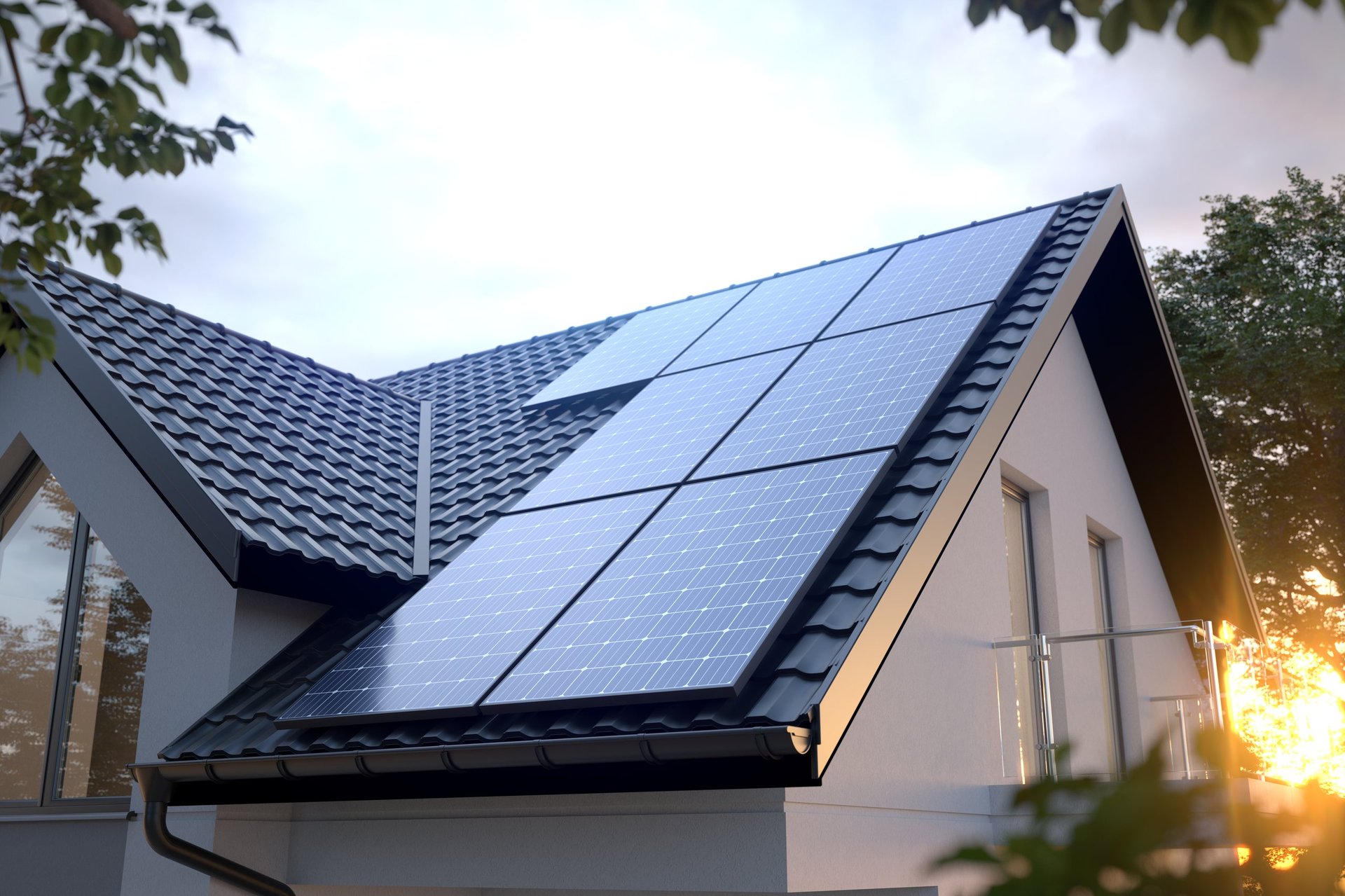
Generate. Store. Manage. Back up.
A home energy security system brings together the equipment your home needs. Not every home needs every component, and the right combination depends on your electrical setup, existing equipment, energy use, and backup goals.
Solar generates power
Reduce grid purchases
Panels produce electricity during the day, reducing what the home buys from the grid and helping recharge storage in a compatible system.
Batteries store power
Hold energy for later
Stored energy supports selected loads during an outage or is used during higher-cost utility periods.
Controls manage power
Direct where it goes
Transfer equipment, panels, and smart controls connect the pieces and prioritize the loads that matter.
Generators add a layer
Extend runtime· Optional
For longer outages or higher demand, an integrated generator adds another backup source.
Backup depends on the whole system — not just the solar panels.
Many standard grid-connected solar systems shut down when utility power is interrupted. Solar panels alone do not automatically keep a home powered during an outage.
A backup-capable system needs compatible equipment and the right electrical configuration. Transfer equipment safely separates the home from the utility grid so available backup sources can supply the loads the system was designed to support.
Outage begins
The grid goes down
Grid-tied solar shuts off for safety. The home would go dark unless the system is designed to run without the grid.
Instant response
The battery takes over
Stored energy serves the loads the system was designed to protect — no startup delay, no fuel, no noise.
If conditions allow
Solar recharges
Compatible solar can help refill the battery during daylight, extending how long the stored energy lasts.
Longer outagesOptional
A generator extends runtime
If the system includes generator support, it can add another source of power while the outage continues.
What do you want to keep running?
One of the most important questions in a backup-power project has nothing to do with brand names or specifications. It's simply how much of the home you expect to keep using when utility power is unavailable.
Essential-Load Backup
Focuses available backup energy on selected parts of the home. Common priorities include refrigeration, internet, heating or cooling, lighting, well pumps, home office equipment, medical devices, and specific outlets or circuits.
For a homeowner who wants practical outage protection without designing around every electrical load in the house, this can be a very effective approach.
Whole-Home Backup
Starts with a broader expectation. Instead of protecting a limited set of circuits, the system is designed around a much larger portion of household demand.
This can require additional battery capacity, generator support, smart load management, electrical upgrades, or a combination — depending on how your home uses power and how long you want backup to last.
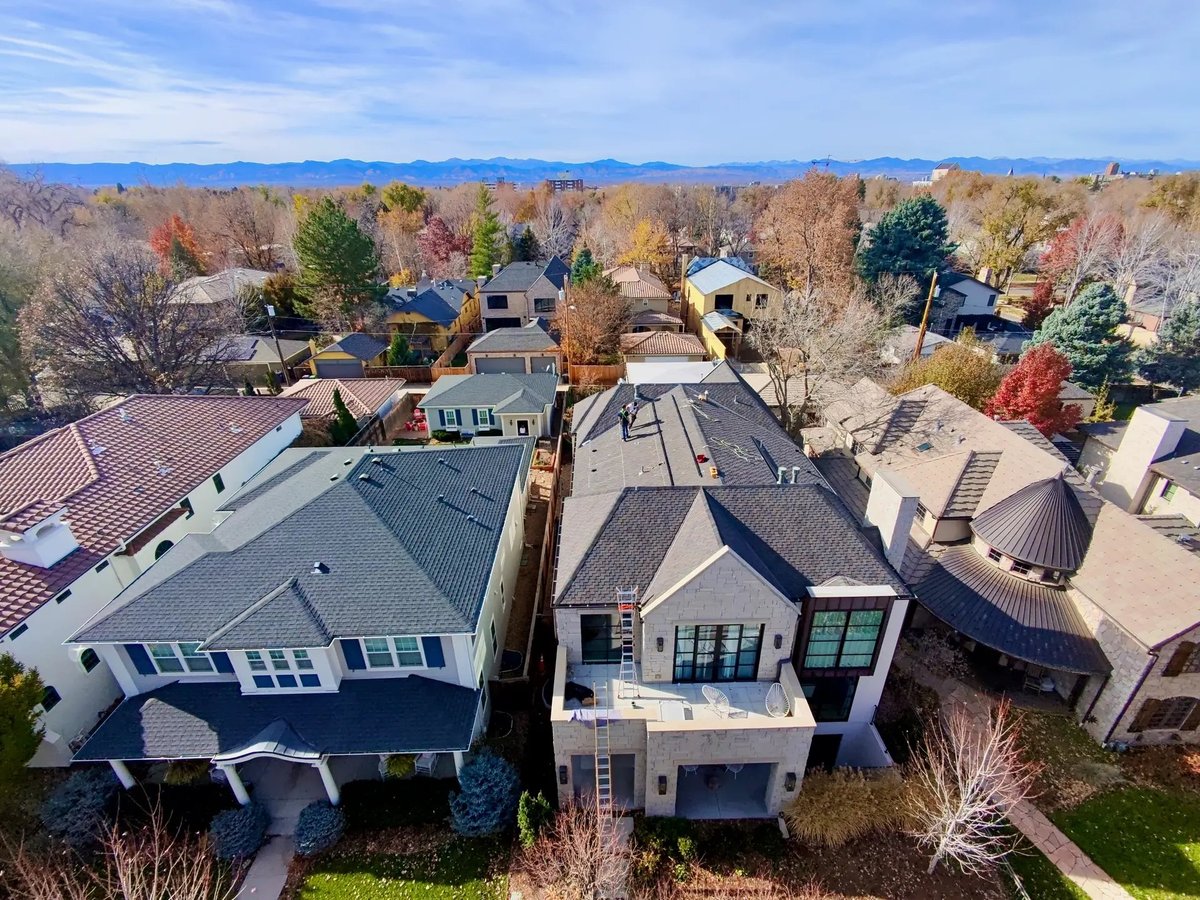
Neither approach is automatically better. The right level of backup is the one that fits your home and the way you actually live in it.
Compare My Backup OptionsDifferent starting points. One coordinated strategy.
These configurations show how capabilities can be combined. They are not steps every homeowner must follow, and you do not need to choose a package before speaking with us.
Figuring out what belongs in your home doesn't need to be complicated.
Home energy technology gets complicated fast when solar, storage, backup power, and the electrical system all have to work together. Our process keeps it in order.
- 1
Start with what you want
We begin by understanding the outcome you care about — outage protection, whole-home backup, greater energy independence, smarter energy use, or a combination.
- 2
Look at the home you already have
Existing solar, generators, electrical panels, service capacity, household loads, and energy use all influence what makes sense next.
- 3
Build around the right pieces
Some homes need solar and a battery. Others benefit from generator support, smart load management, electrical upgrades, or several technologies together.
- 4
Make sure it works as a whole
Equipment, electrical infrastructure, controls, and backup strategy are designed together, so the system operates safely and uses the power available to it.
- 5
Leave room for what comes next
EV charging, more storage, electrification, renovations, and growing demand all change what a home needs. We account for where yours is headed.
Ready to start at step one?
Tell us what you want your home to be able to do. We'll take it from there.
Schedule a Free Consultation
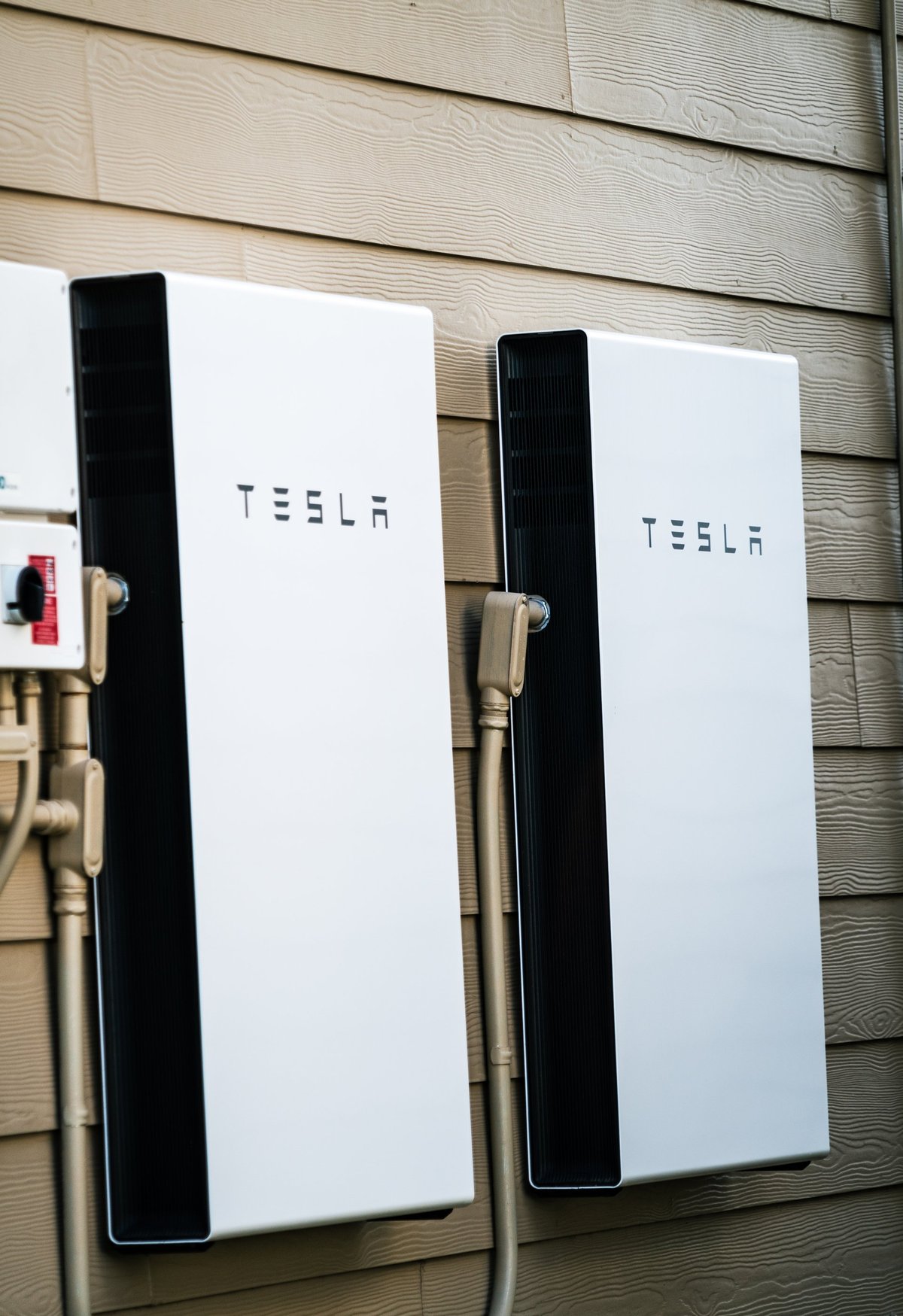
A battery shouldn't sit idle waiting for the next outage.
Backup power is one of the biggest reasons homeowners start looking at battery storage, but stored energy can also give you more choice over when you use electricity.
With energy arbitrage, a battery charges when solar energy is available or when grid electricity costs less, then uses that stored power later during a higher-cost utility period. Depending on your rate plan, battery capacity, equipment, and system design, this may help reduce reliance on peak-rate grid electricity while making better use of the energy already at your home.
During an outage
Stored power carries your home through the interruption — quietly, with no generator start.
Every other day
The same battery shifts usage away from higher-cost periods when your plan supports it.
A few things worth knowing before you start.
Do I need solar to install battery backup?
Not necessarily. Battery-only configurations may be possible, depending on your home, equipment, utility setup, and what you want the battery to do.
Will solar panels keep my home powered during an outage?
Not automatically. Backup operation requires compatible equipment, transfer controls, and the appropriate electrical configuration. Many standard grid-tied solar systems shut down when the grid goes down.
Can batteries power my whole house?
Potentially. Coverage and runtime depend on electrical demand, available battery capacity, equipment, system design, and how loads are managed.
Can solar, batteries, and a generator work together?
Yes, when the equipment and electrical system are compatible and designed for an integrated setup. Each source serves a different role.
What does a smart panel do?
Depending on the technology, a smart panel or load-management system can show how individual loads use electricity and provide more control over where available power goes.
Can GridProof work with equipment I already have?
In many cases, existing equipment may be incorporated into a larger strategy. We need to evaluate the installation, compatibility, and your goals before recommending a direction.
Tell us what you want your home to be able to do.
You do not need to know whether the answer is solar, batteries, a generator, or a combination. Start with your goals, and we'll help you understand the options for your home.
Free, no-obligation energy security consultation.
